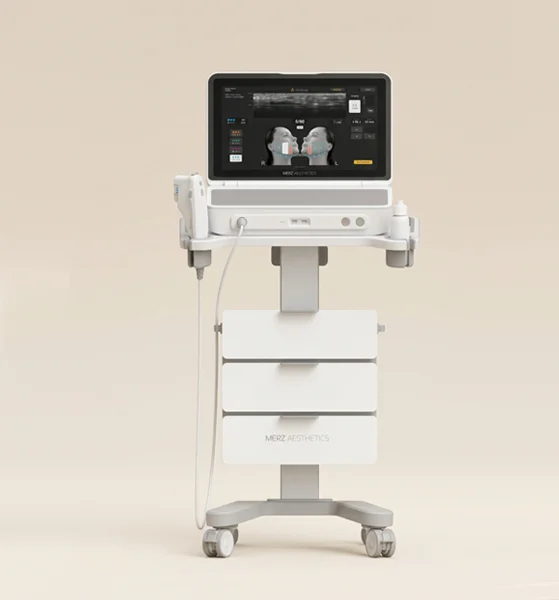
Ultherapy, Thermage and thread lifts work in different ways. Ultherapy and similar devices deliver focused ultrasound to a set depth beneath the skin. Thermage and other radiofrequency devices use heat to support skin firmness. Thread lifts physically support sagging tissue with medical threads. At JEUNEX Clinic in Seoul, the choice depends on where sagging occurs, skin thickness and how volume is distributed.
In this article
- What are the main types of non-surgical lifting?
- How does ultrasound lifting such as Ultherapy work?
- How is radiofrequency lifting such as Thermage different?
- When is a thread lift considered?
- How do the three approaches compare?
- What does a lifting session involve?
- How long do results take to appear?
- What are the side effects?
- Why does volume matter in lifting decisions?
- Can lifting be combined with skin boosters?
- How is the right lifting treatment chosen?
- Which lifting devices does JEUNEX Clinic use?
- Who may not be suited to non-surgical lifting?
- How do you prepare for a lifting treatment?
- What should you ask before a lifting treatment?
- Can lifting be repeated or combined over time?
What are the main types of non-surgical lifting?
Non-surgical lifting falls into three broad groups: ultrasound energy, radiofrequency (RF) or combined energy, and thread lifting. Each reaches the tissue differently, so the question is less which is best and more which suits the concern you have now.
How does ultrasound lifting such as Ultherapy work?
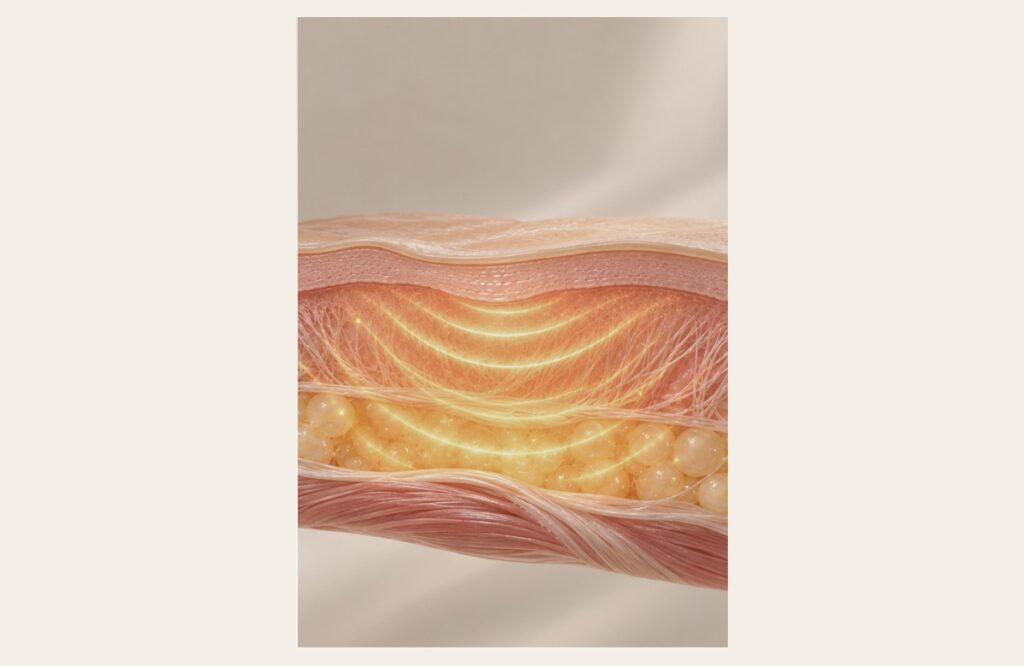
Focused ultrasound devices deliver energy to a specific depth beneath the skin. They are commonly considered where the cheeks are sagging or the jawline is losing definition, and treatment depth can be matched to the area of concern.
Ultherapy Prime adds real-time ultrasound imaging so the tissue beneath the skin can be seen while energy is delivered. Liftera 2 is another focused-ultrasound device, with handpiece and depth chosen to suit facial contours. Sofwave also uses ultrasound but targets the dermis, and is considered for fine lines and firmness.
How is radiofrequency lifting such as Thermage different?
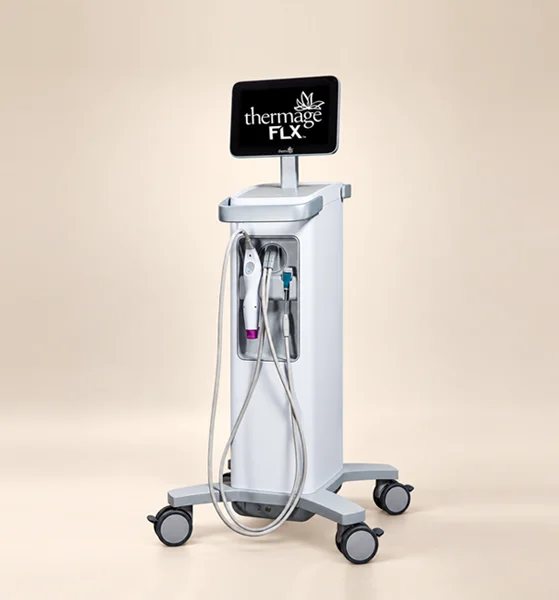
Radiofrequency devices use heat rather than focused ultrasound. They are commonly considered where skin feels generally looser and fine lines are a concern, rather than sagging in one specific area.
Thermage FLX uses monopolar RF to heat the skin and support collagen remodelling. Ultratherma combines two RF frequencies through two handpieces. Eravity delivers heat for firmness and texture, and Potenza uses RF through a range of tips, including microneedle and non-invasive options, chosen according to the concern.
When is a thread lift considered?
A thread lift places medical threads beneath the skin to lift and support sagging tissue, with the direction of pull adjusted to the face. It is commonly considered where a specific area such as the cheek or jawline has dropped. JEUNEX Clinic offers several thread types, including HEALUX i-THREAD, Wonder Lift, MINT (absorbable PDO threads), Jamber Volume (a spring-shaped absorbable thread used for support and hollows) and fine mono threads. Thread type, number and placement depend on skin thickness, tissue weight and the direction of sagging.
How do the three approaches compare?
| Focused ultrasound | Radiofrequency | Thread lift | |
|---|---|---|---|
| How it works | Energy delivered to a set depth | Heat spread through the skin | Threads support tissue physically |
| Commonly considered for | Cheek and jawline sagging | General looseness, fine lines | Defined sagging in one area |
| Examples at JEUNEX | Ultherapy Prime, Liftera 2, Sofwave | Thermage FLX, Ultratherma, Eravity, Potenza | HEALUX i-THREAD, Wonder Lift, MINT, Jamber Volume |
| How change appears | Develops gradually | Develops gradually | Visible lift, then settles |
What does a lifting session involve?
A session starts with an assessment of where the sagging is, how thick the skin is and how volume is distributed. The skin is cleansed and the treatment area may be marked. For energy devices, a numbing cream or other comfort measures may be used depending on the device and area, and you may feel warmth or brief discomfort as energy is delivered. For a thread lift, local anaesthesia is used at the insertion points before the threads are placed along the planned direction of pull.
Afterwards the doctor or team explains aftercare, such as how to cleanse the area, what to avoid in the first days, and when to return for a check.
How long do results take to appear?
Ultrasound and radiofrequency devices work by stimulating the skin’s own collagen, so change develops gradually rather than all at once. A thread lift gives a more immediate lift, which then settles as swelling resolves and the tissue adapts around the threads. Your doctor will explain what to expect for your specific plan and when to review progress. Responses vary from person to person, and no treatment can promise a particular result.
What are the side effects?
Side effects depend on the treatment. After energy-based lifting, temporary redness, swelling, tenderness or a tingling or numb sensation can occur. After a thread lift, bruising, swelling, tightness, small dimples or irregularities near the insertion points and temporary asymmetry are possible while the tissue settles. Tell your doctor about any medications that affect bleeding and any previous treatments in the area, as both can influence the plan.
Why does volume matter in lifting decisions?
Sagging and volume loss often appear together. Lifting a face that has also lost volume can leave it looking tight rather than refreshed. That is why JEUNEX Clinic separates volume to keep from sagging to correct, and may discuss fat grafting or an SVF programme alongside lifting where skin condition calls for it.
Can lifting be combined with skin boosters?
Lifting addresses sagging, while skin boosters focus on the quality of the skin itself: hydration, texture and firmness. JEUNEX Clinic offers a wide range, including Rejuran (PN), hydration injections with hyaluronic acid, Juvelook (PDLLA) and collagen stimulators such as Sculptra. Combining the two is common where both sagging and skin quality are concerns, with the order and timing set by the doctor.
How is the right lifting treatment chosen?
- Where is the sagging? A defined area may point to focused ultrasound or threads; general looseness may point to RF.
- How thick is the skin? Thickness affects which device and depth suit you.
- Is volume also changing? If so, volume may need attention alongside lifting.
- What about expression? JEUNEX Clinic plans lifting with the whole face and its expressions in mind, not one area alone.
Many plans combine approaches. The aim is a combination matched to your skin rather than a single treatment applied to everyone.
Which lifting devices does JEUNEX Clinic use?
| Device | Type | Commonly considered for |
|---|---|---|
| Ultherapy Prime | Focused ultrasound with real-time imaging | Cheek and jawline sagging |
| Liftera 2 | Focused ultrasound | Firmness and sagging, matched to facial contours |
| Sofwave | Ultrasound to the dermis | Fine lines and firmness |
| Thermage FLX | Monopolar radiofrequency | General looseness and collagen remodelling |
| Ultratherma | Dual-frequency radiofrequency | Firmness and density |
| Eravity | Heat energy | Firmness and skin texture |
| Potenza | Radiofrequency with microneedle and non-invasive tips | Firmness and texture |
| HEALUX i-THREAD, Wonder Lift, MINT | Lifting threads | Supporting sagging tissue in a defined area |
| Jamber Volume, mono threads | Absorbable threads | Support and hollows, skin condition |
Who may not be suited to non-surgical lifting?
Non-surgical lifting works best on mild to moderate sagging. Where skin is very lax, the change it can achieve may be limited, and the doctor may explain that a different approach would serve you better. Active skin infections or inflammation in the treatment area, certain medical conditions and some medications can also affect whether treatment is appropriate or when it should take place. Recent treatments in the same area, such as fillers or threads, are considered too. This is why lifting at JEUNEX Clinic starts with an examination rather than a menu.
How do you prepare for a lifting treatment?
Arrive with clean skin if possible, and tell the clinic about any recent treatments, skin reactions or medications. Avoid booking a lifting treatment immediately before an important event, since temporary redness or swelling can occur. After a thread lift, you may be advised to avoid wide mouth movements, pressure on the face and intense exercise for a period. If you are travelling, ask how much time to allow between treatment and your flight.
What should you ask before a lifting treatment?
- Where exactly is my sagging, and which approach suits that area?
- Why this device or thread type rather than another?
- What sensations, redness or swelling should I expect, and for how long should I plan around them?
- How will change develop, and when should we review it?
- Would volume treatment or skin boosters help alongside lifting?
- If I have had lifting before, how does that affect the plan?
Can lifting be repeated or combined over time?
Many patients return to lifting as part of a longer plan rather than treating it as a one-off. Because skin continues to change, the doctor may suggest reviewing the face at intervals and adjusting the approach, for example moving from energy-based lifting to threads, or adding volume treatment if hollowing develops.
Key takeaways
- Ultrasound devices such as Ultherapy target a set depth and are commonly considered for cheek and jawline sagging.
- RF devices such as Thermage use heat and are commonly considered for general looseness and fine lines.
- Thread lifts physically support tissue in a specific area.
- Volume, skin thickness and expression all shape which approach suits you.
Frequently asked questions
Which is better, Ultherapy or Thermage?
Neither is better in general. Ultherapy uses focused ultrasound at a set depth, while Thermage uses radiofrequency heat. Which suits you depends on where the sagging is and how thick your skin is.
Is a thread lift surgery?
No. A thread lift is a non-surgical procedure in which medical threads are placed beneath the skin to support tissue. It still requires a medical assessment to plan thread type and placement.
Can energy lifting and threads be combined?
Yes, depending on your condition. JEUNEX Clinic selects among ultrasound, RF and thread lifting, and may combine them, after examining your skin and face.
What is Sofwave?
Sofwave is an ultrasound device that delivers energy to the dermis, the layer of skin beneath the surface. It is considered for skin firmness and fine lines.
Does ultrasound lifting hurt?
Sensations vary by device, area and person. Many people feel warmth or brief discomfort as energy is delivered. Comfort measures are discussed beforehand.
How often should lifting be repeated?
There is no single schedule. The doctor plans any repeat treatment based on your skin, the device used and how your skin has responded.
Talking to JEUNEX Clinic
JEUNEX Clinic is in Cheongdam-dong, Gangnam, Seoul. International patients can reach the clinic through WhatsApp, LINE, WeChat or KakaoTalk; the messenger links are on the clinic contact page. It helps to share what you would like to change and any previous treatments before your visit.
This article is general information about treatment options and is not medical advice. Whether any procedure is suitable, and what it involves for you, can only be decided after a consultation and examination with a doctor.